
If we could sum our philosophy up in one word, it would be “connection”–our connection to our customers, the connection with everyone who works with us, our connection to our state and community, and our connection to the land we work. We are about so much more than good wine (although that’s certainly the most important part).
One of the ways we demonstrate the value we place on connection is our commitment to natural wine. What is natural wine? Stop by our Leavenworth winery or Lawrence vineyard and see what we mean!
What Do You Mean By “Natural Wine”?

Now, admittedly, “natural” is a broad category, with no official FDA designation. So let’s be a little more specific about what we mean here at Z&M when we talk about our wine being natural.
So, what is natural wine? Broadly speaking, it means it is pure, fermented grape juice and nothing more.
This process is thousands of years old, although its popularity among wine drinkers is fairly recent. Other terms you will hear include “raw” or “low-intervention” wine. Sometimes it’s even just called “naked” wine!
What Is the Difference Between Natural Wine and Regular Wine?
Here are some differences you will usually find between these two types of wine:
- Handpicked (natural) as opposed to machine-harvested (regular)
- Natural yeast versus yeast cultures (the more predictable variety typically found in conventional wines)
- Wines you’re used to drinking can contain up to 60 unlisted additives to help create the tastes and textures you’re used to
One key difference you will often find between natural and regular wine is the use of pesticides and herbicides. Frequently, you will find that the former avoids using harsh chemicals to keep weeds and insects away.
Natural winemakers also refrain from additives–the egg whites, sugar, acid, and other extras–that conventional wines contain. The intervention-free varieties often are sulfite-free, although this isn’t always the case.
Occasionally, winemakers who are committed to natural methods will still add a small amount of sulfites (ten times less than the amounts found in typical wines). Whereas winemakers will add sulfites throughout their process to kill off natural yeast, if natural winemakers add any at all, it is right before they bottle their wines.
What Does Natural Wine Taste Like?
When people talk about the taste of this kind of wine, they often use the adjective “funky,” and compare it to the sour taste of cider.
If that sounds like a bit of an acquired taste, not to worry. While there are certainly natural wines that people describe as looking cloudy and tasting like it comes from a barnyard, that’s not the end of the story.
It can be delicious and remind you of other kinds of wine that you know and love. Because “natural” is such an inclusive category, you are almost definitely guaranteed to find something that suits your palate.
Is Natural Wine Healthy?
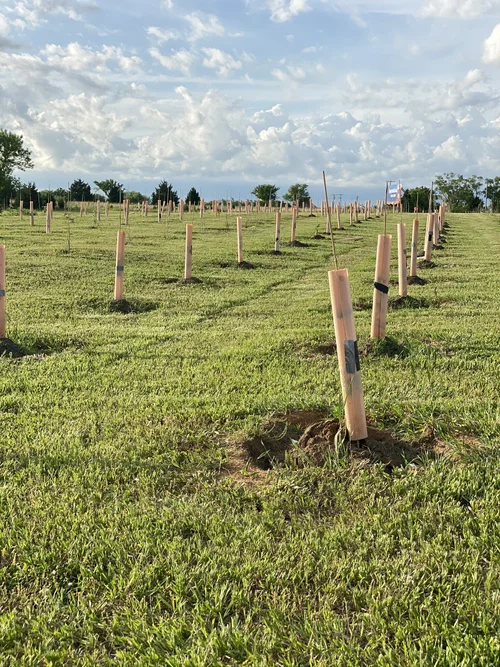
Of course, given all of the additives you can find in conventional wine, you may be wondering if the alternative is better for you.
Now, first thing’s first: you might rest a little easier knowing that your wine is free of sulfites, pesticides, and herbicides. If you’re part of the simple-is-best, back-to-nature crowd, these are important features.
However, there may be other, additional benefits. For example, there are people who swear that natural alternatives prevent bad hangovers.
The anti-sulfite crowd insists that the additive tampers with gut flora, preventing the production of the good kind of bacteria in your stomach. They also maintain that sulfites negatively affect your liver’s ability to digest alcohol.
By contrast, due to their wild yeast content, natural varieties of wine contain probiotic bacteria that benefit your gut. They also contain polyphenols, antioxidants that also improve your beneficial gut flora.
The wines contain these antioxidants as a result of the lack of herbicides and pesticides. Because the grapes have to protect themselves against weeds and pests, they produce these antioxidants as a form of natural protection against the elements.
Moreover, if you’re part of the 1% of Americans who have a sulfite allergy, intervention-free wine might be a good option for you. A simple at-home to determine whether you are allergic to sulfites? Dried fruit.
If you can eat dried fruit without negative side effects, you can be reasonably sure you’re sulfite-allergy free.
At the end of the day, however, the science is inconclusive about any kind of alcohol being beneficial. You still want to be careful to consume alcoholic beverages in moderation.
For women, that means limiting yourself to a glass a day (one 5 oz drink serving) if you’re a woman, and 2 a day (also 5 oz servings) if you’re a male.
What Is Natural Wine’s Impact on the Environment?
One of the things that can set natural wine apart is the winemaker’s commitment to sustainability. By steering clear of herbicides and pesticides that can harm the environment, these producers are demonstrating a dedication to protecting the planet.
Sustainable wine often goes hand-in-hand with natural wine. That means the winemaker’s growing and production methods are often developed with the environment in mind.
Z&M–A Winery Committed to Sustainability and Community
If you’re intrigued by natural wine, sustainable methods, and a dedication to local, responsibly-grown ingredients, come see us for a tasting.
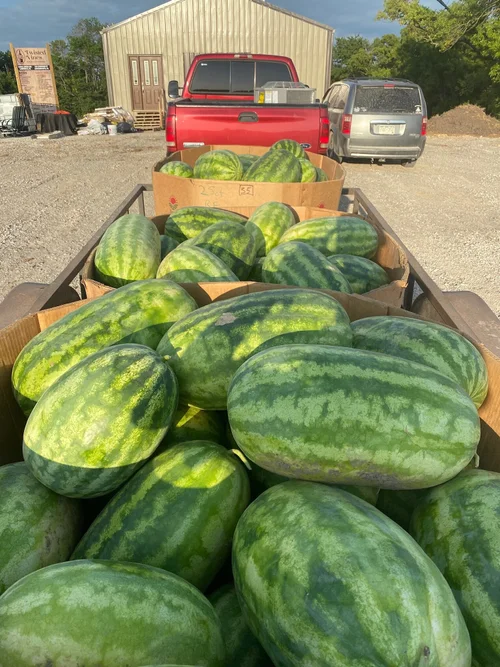
We make our wines by processing produce from local farmers market, farms, and our fellow Farmer Veterans. We do all the crushing of grapes (and other fruits) ourselves on location.
To clear and filter our wines, we use natural filtration–good old-fashioned time and gravity, instead of adding all the clearing chemicals to filter our wines that you suspect give you that headache the next day. We prefer the process of racking, which takes time as the sediment in the wine wine falls to the bottom of our tanks.
This natural process is why our wines often have some sediment at the bottom of our wines–it will typically settle to the punt area. Because we don’t like to let anything go to waste, we use that same sediment to make our hand-crafted Bella Vino products and wine jelly.
Join us for one of our popular events in Lawrence or Leavenworth. Fall in love with a natural wine grown responsibly right here in the heart of the heartland.