
“What are fruit wines?” is a question we frequently hear around here, since they’re kind of a speciality of ours. It’s a fair question, since most people are familiar with traditional grape wines.
Stop by our Leavenworth winery, Lawrence vineyard, or order our Twisted Wines delivered right to your door!
What Are Fruit Wines? A Brief Explanation

Fruit wine (or as Europeans sometimes call it, “country wine”) is simply a fermented drink with a fruit juice base. Traditional varietal wines, on the other hand, have a grape base.
Fruit wines are still wines, though.
They can be categorized as wine because their fermentation process is the same. In this process, yeast eats the fruit sugars to create alcohol.
Differentiating Between Fruit Levels and Fruit Wine
You’ve probably heard of a fruity wine. Crucially, though, a fruity wine is not the same thing as a fruit wine! When someone talks about the fruit level of a wine, they aren’t talking about fruit content.
Of course, wine connoisseurs are familiar with identifying the fruit level in a wine. Now, “fruit level” is simply a descriptive term. Let’s take a look at what that means, and how it differs from true fruit wines.
Fruit level can take on a couple of qualities, depending on the sweetness of a wine. Confusingly, wines can have a fruit level whether or not they’re sweet.
For example, there are fruit forward wines, which means wines that give off sweet fruity scents. In the world of traditional wine, fruit forward red wines might taste of Maraschino cherry, vanilla, or toffee. Meanwhile, descriptors for white wines can include baked apple, caramel, and cantaloupe.
Conversely, the fruit level in traditional varietal wines can also connote a savory tasting profile. Flavors in the savory fruit level family can include cranberry, tart blueberries, and lemon.
These scents and flavors that winelovers associate with varietal wines do not actually contain these flavors, however. Interestingly the fermentation process creates new chemical compounds, indistinguishable from other fruits’ chemical compounds! That means if you’re tasting cantaloupe in a varietal, you’re tasting a compound that is part of cantaloupe’s chemical makeup.
See? Being a wine lover basically makes you a scientist.
What Are Fruit Wines Typically Made From?
So, we’ve covered a little bit about the difference between fruity and actual fruit wines. It’s finally time to talk about fruit wines themselves. Since we discussed the flavor profiles in varietal wines, let’s examine the flavors in their fruit counterparts.
Typically – and unsurprisingly – fruit wines tend to taste like the fruits from which they are made. Of course, variations are possible through things like the length of the fermentation process, and adjustments to the acid content.
The most essential thing for fruit wine is the amount of fruit and the amount of sugar. Like all good things, fruit wine production takes patience. Until you find just the right ratio of ingredients, a process of trial and error is typical.
Broadly speaking, the most common types of fruit wines are citrus wines, berry wines, and tropical fruit wines.
The Most Popular Types of Fruit Wine
“Citrus,” “berry,” and “tropical fruit” are general categories of fruit wine. Within these groupings, however, you will find a great deal of diversity.
For example, the citrus fruit wine family can include pineapple, orange, lemon, grapefruit, and even limes! Berry wines, on the other hand, can be elderberry, strawberry, blackberry, and blueberries, and that’s just to name a few.
Meanwhile, tropical fruit wine has quite a bit of overlap with the citrus wine category: pineapple and grapefruit, for example. Winemakers can also produce wine from kiwi, mango – even bananas!
This is just the tip of the iceberg, by the way. In the final analysis, there are almost as many types of fruit wine as there are fruit!
Wines Fresh From the Farm
As a Kansas winery and vineyard, we are particularly interested in the wines we can make from local produce. After all, our beloved home state – right here in the Heartland – is an agricultural powerhouse.
For example, Leavenworth County, where our winery is, is home to over 1200 farms alone! Those farms are responsible for all kinds of essential produce, but they also grow vegetables, melons, and fruit.
That’s where things get really interesting.
Currently, America has a food waste problem. According to Feeding America, the US wastes around 72 billions of pounds of food a year. Wine and juice producers are doing their part to help reduce this waste.
They can use the fruit that is bruised or otherwise not suitable for eating, but is still consumable. What’s more, farms are working within pretty confined margins, so they don’t want to let anything go to waste. So now you know that wine isn’t just science, it’s basically saving the planet and supporting our farms.
Get Acquainted with Innovative Local Fruit Wines with Z&M Twisted Vines Winery and Vineyard
re responsible for all kinds of essential produce, but they also grow vegetables, melons, and fruit.
That’s where things get really interesting.
Currently, America has a food waste problem. According to Feeding America, the US wastes around 72 billions of pounds of food a year. Wine and juice producers are doing their part to help reduce this waste.
They can use the fruit that is bruised or otherwise not suitable for eating, but is still consumable. What’s more, farms are working within pretty confined margins, so they don’t want to let anything go to waste. So now you know that wine isn’t just science, it’s basically saving the planet and supporting our farms.
Get Acquainted with Innovative Local Fruit Wines with Z&M Twisted Vines Winery and Vineyard
These gentlemen came by to help us smash some melons to make our popular Watermelon Wine. Schedule a harvest season crushing party for your friends!
Z&M is especially proud of our Farm to Table line of Twisted Wines. We make these wines with produce from the surrounding area, as well as with our own grapes from our vineyard.

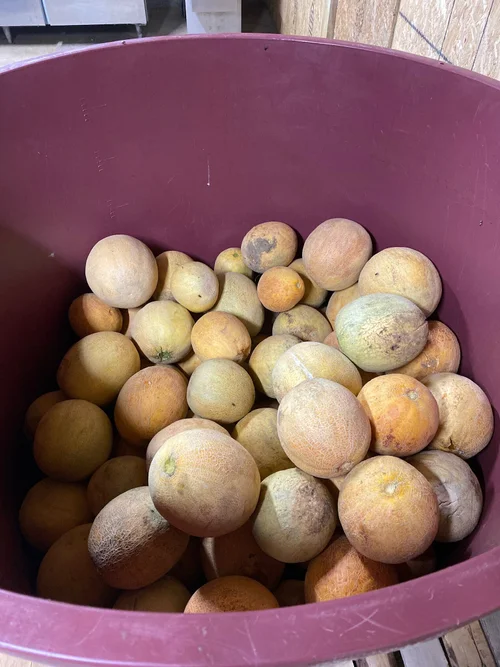
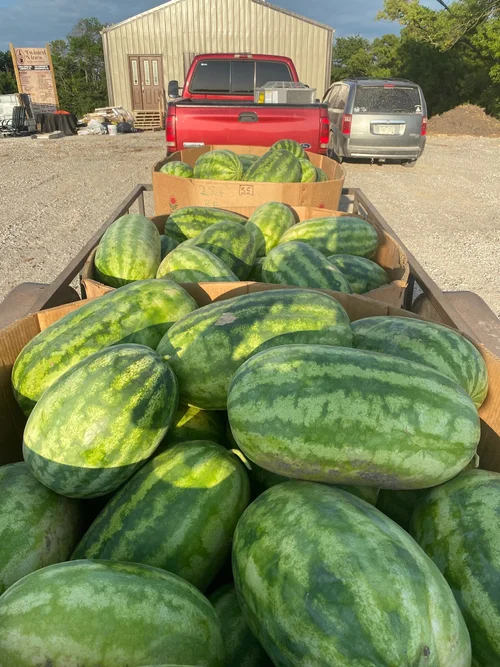
Speaking of which, it’s harvest time at our Twisted Vineyard! We just processed watermelons for our Watermelon Chardonnay and cantaloupes for our Cantaloupe Wine. And with fall just around the corner, we will begin processing local apples for our Country Apple Wine soon!
Z&M are proud members of the Farmer Veteran Coalition, a nonprofit network of veterans working in agriculture. The Farmer Veteran Coalition provides training and internships, as well as mentorship.
Our wines proudly feature the Farmer Veteran Coalition’s Homegrown By Heroes label. This iconic label proudly informs buyers that they are supporting farmers as well as the veteran community with their purchase.
You’re welcome to try a tasting at our Leavenworth Winery, Monday through Saturday, and on Sundays at our Lawrence Vineyard. If you can’t make it, order Farm to Table wines shipped to your home. Whether you want to support our veterans, local agriculture, or simply try some delicious, innovative wine, come on by!